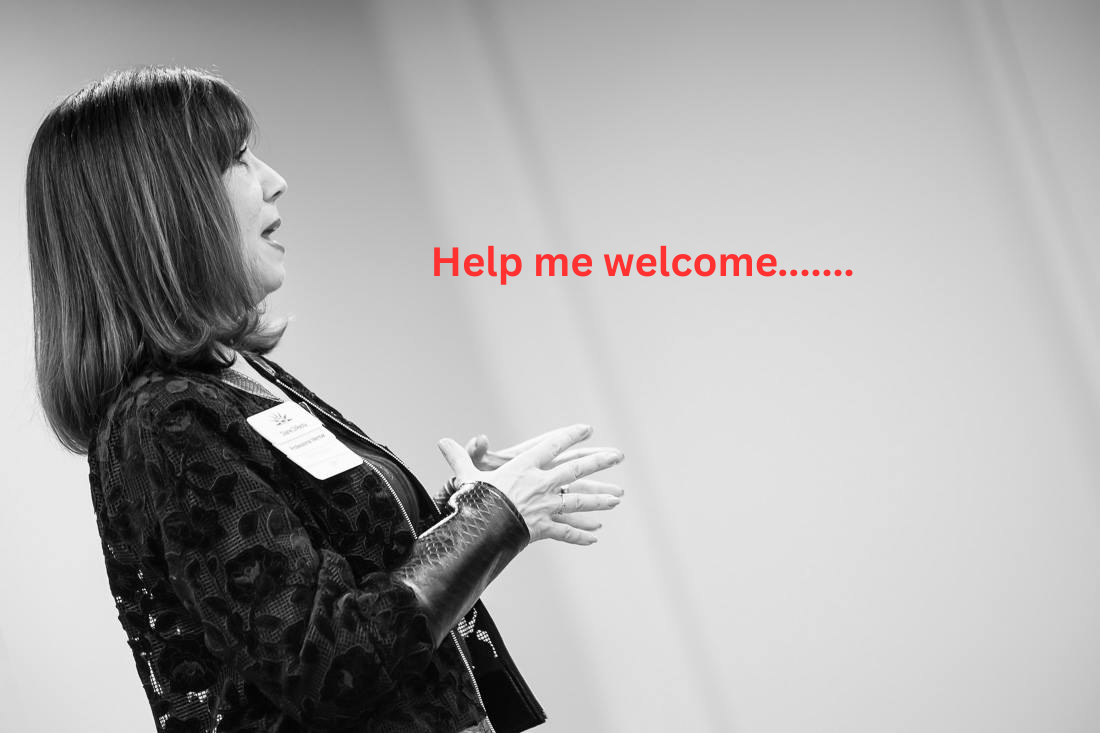
You may have good platform skills as a public speaker. But that’s not enough. It takes more than confidence and skills in the room or on the stage. The part that often gets overlooked is the piece that can sabotage your presentation.
The missing piece is STAGING. That's right. Staging is not just for a platform. If you're planning an event where people will be sharing their thoughts or accolades, how you stage the room will determine the success of the meeting or presentation.
Case in point: When I was a trainer for an investment banking firm in New York, we conducted a two-day off-site at a hotel. On Day One of the seminar there was a group of rowdy young men who sat together and could be disruptive. It took work to keep order. That night, my co-facililtator and I assessed the audience and the room. We decided that we would require participants to change seats on Day Two with one condition. We placed their name tags where we wanted them to sit and of course we broke up the rowdy group. We had more control and the seminar went smoothly.
Recently, a client of mine planned his wedding in the middle of his coaching program. So we quickly pivoted to preparing him for any speaking he would do at the rehearsal dinner and at the wedding. One of the challenges was that family and friends wanted to stand up and say a few words. It turned out to be eight people which could have been unruly. In addition, his elderly grandmother couldn't attrend and he was sadly resigned to not hearing from her. Here is where staging comes in.
I suggested that he video record her best wishes and play the recording at the wedding so that her presence would be felt. Then we addressed the number of people who wanted to speak. It could have easily turned into a boring evening if he allowed all eight people to speak without any guidelines or plan. So we asked them to speak for one minute, knowing they would go over the time but it would not be a long speech.
Then we assessed their speaking skills. We determined the order by putting the skilled speakers at the beginning of the line-up, the average speakers in the middle, and the rest of the skilled speakers at the end. It was perfectly staged and the evening rehearsal dinner was a great success. Staging saved the day. Staging is not just for the theater. The next time you have an event where people will be speaking, plan a strategy and stage it for success. For more tips on staging, read chapter 9, Setting the Stage, in Knockout Presentations. #staging #publicspeaking #settingthestage #knockoutpresentations
Connect with me on LinkedIn
Subscribe to my youtube channel
To work with me visit diresta.com